
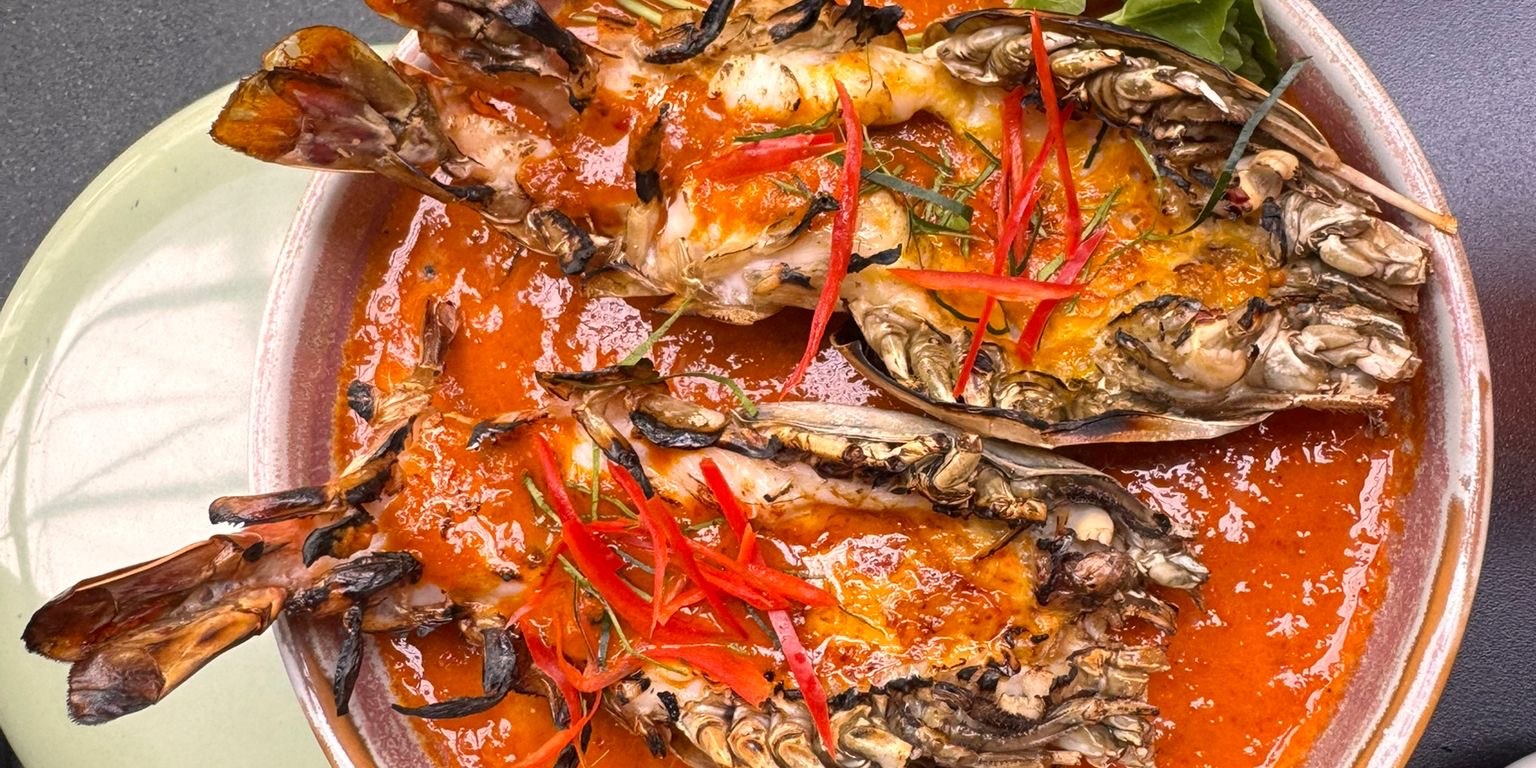
Andrea here – after a few weeks in Thailand eating my way from north to south, I discovered that although we know about the main Thai curries from the vast number of delicious Thai restaurants in Toronto, I wondered if we actually know about the characteristics that make up each one. Plus, I encountered some that were new to my palate. As a result, I figured that I would share my findings so that we can know a little more each time Thai is on the menu for the next meal.
Before we go through the Thai curries types, I want to mention that you can pretty much have any type of protein with them or can easily have it go the vegetarian route. I tried my first Duck curry in Koh Samui, and I loved every bite of it, while you can never go wrong with the classics like chicken, shrimp, and beef. But squid though, you have to try it!


Green Curry
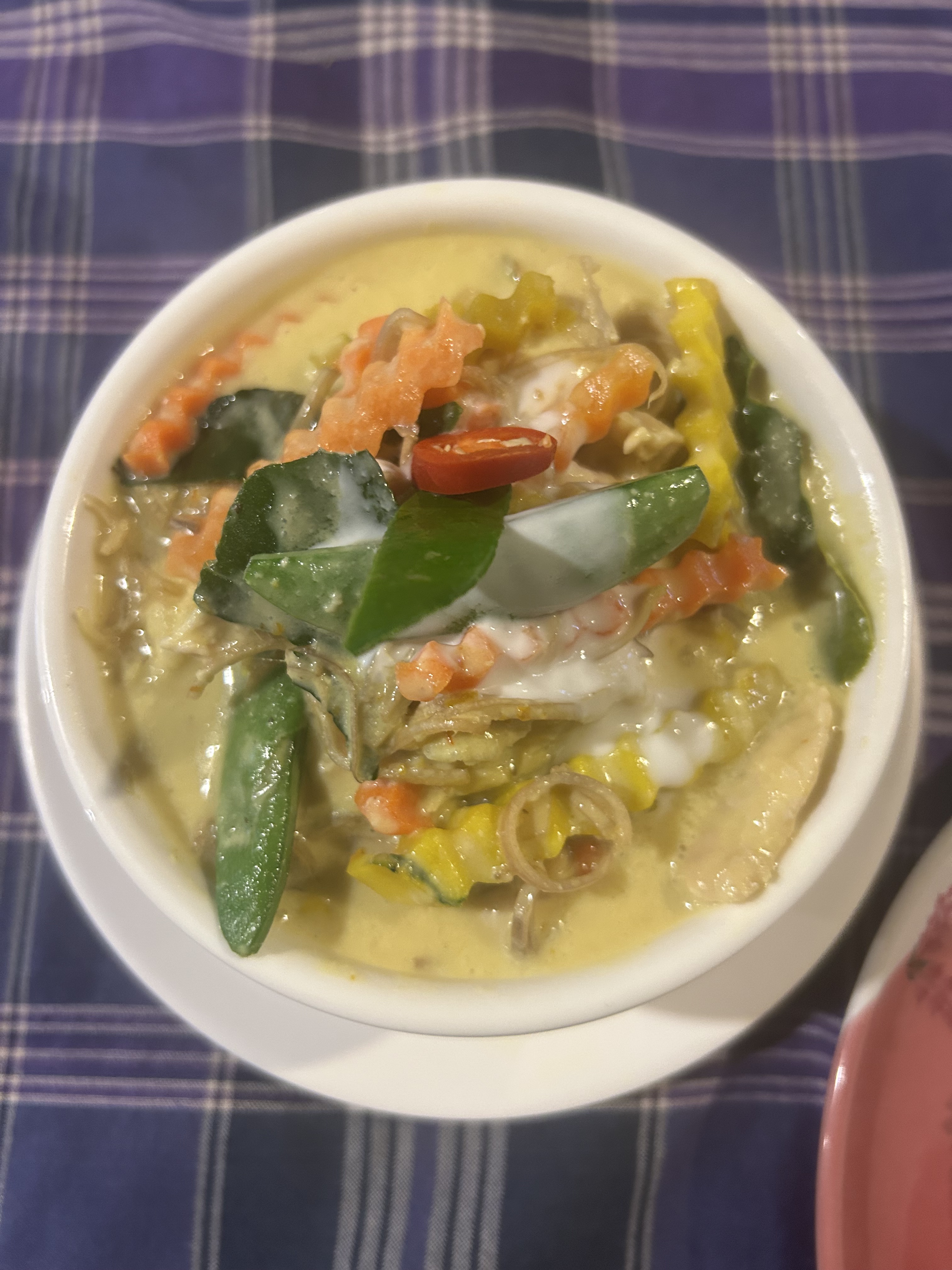
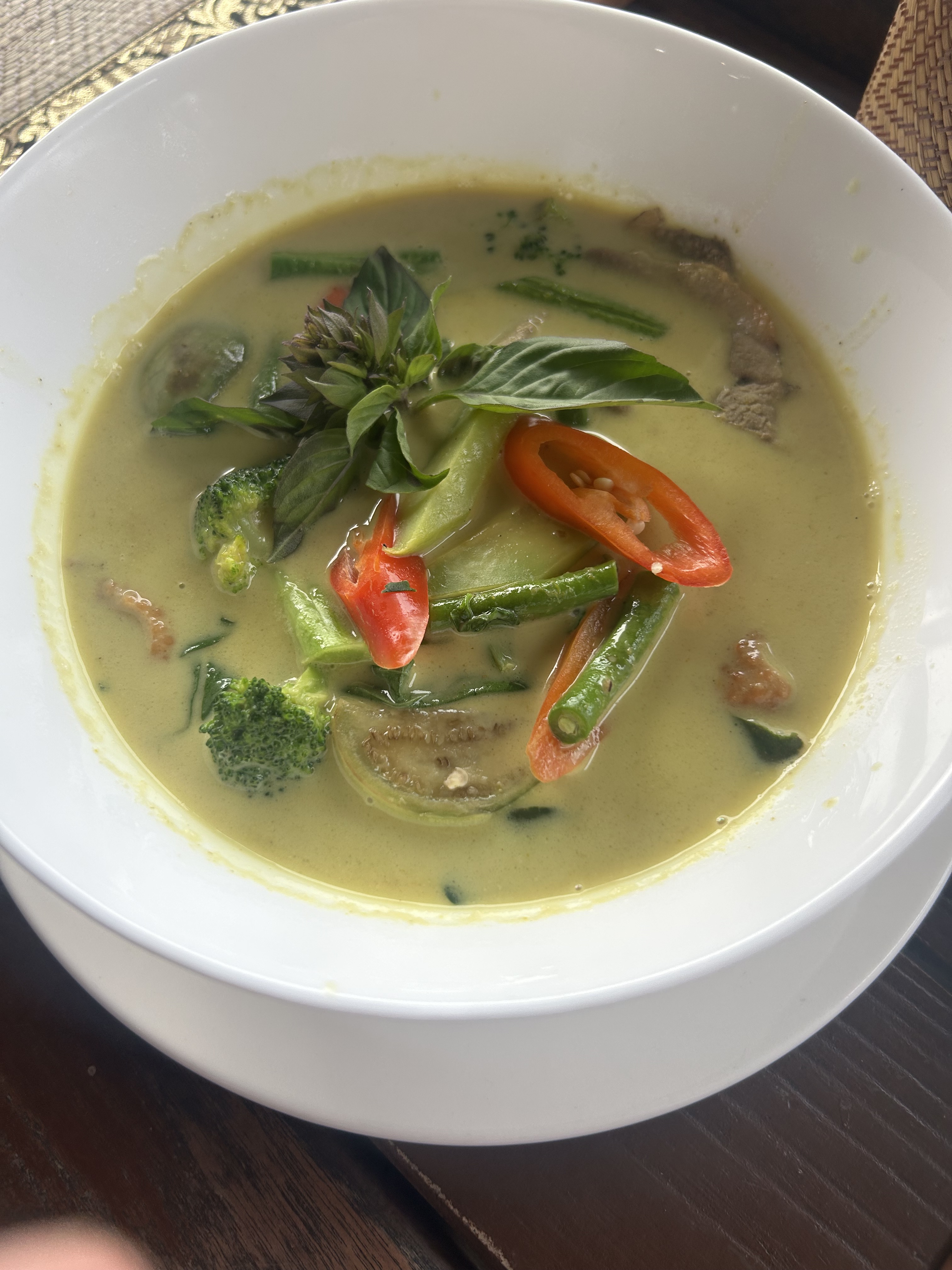
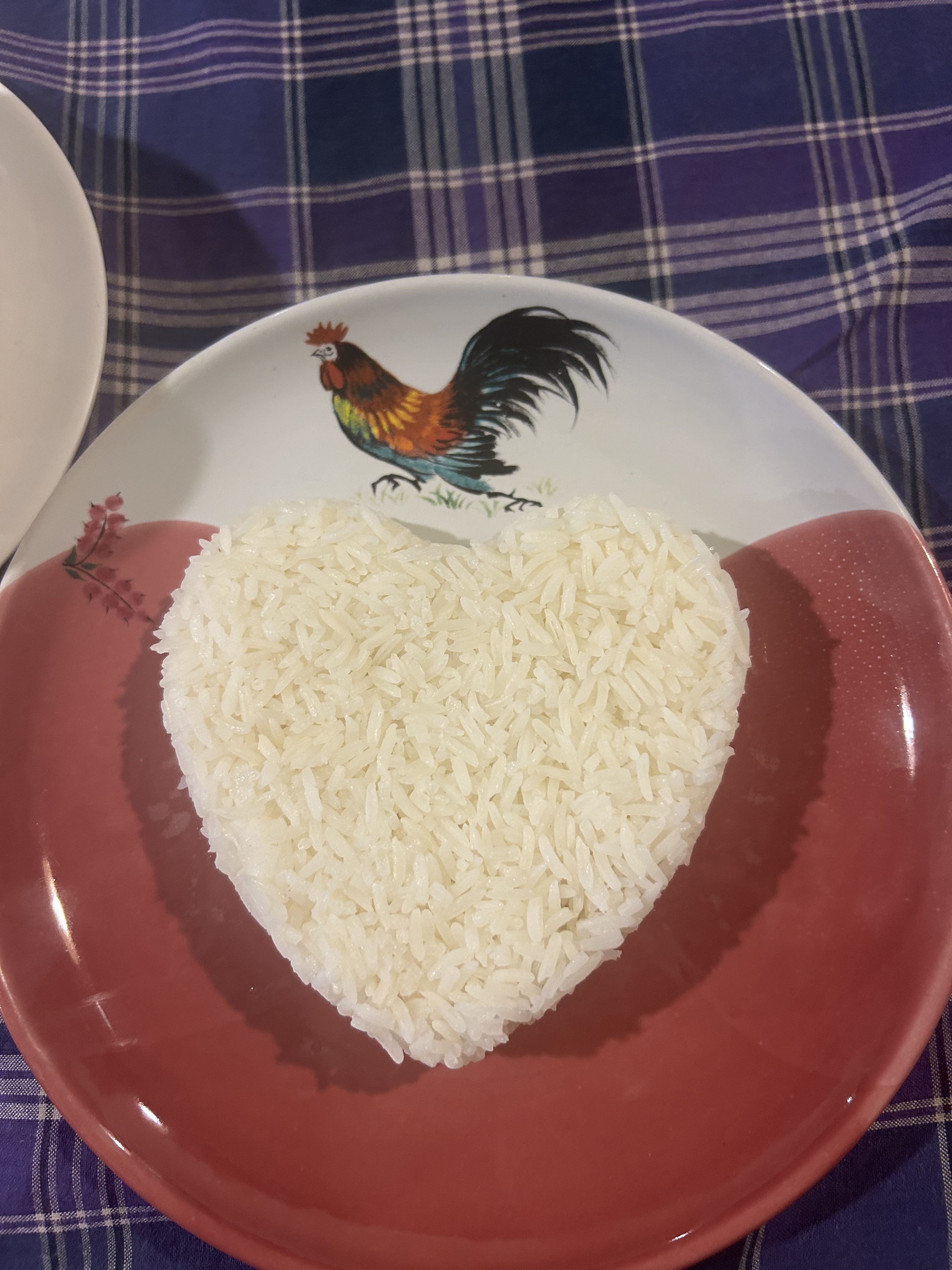
This curry seems to be the most beloved and popular with the masses, this isn’t surprising since coconut milk is the main ingredient mixed with green curry paste, spices, vegetables, and protein. The ingredients vary, but the base stays the same: coconut milk and green chilies. It takes on a light green complexion and tends to be saucy, so make sure to have steamed rice for mixing. The chef will alter the flavour spending on the quantities of coconut milk, curry paste, lemongrass, and garlic are added.
If you’re new to the Thai curry revolution, this is an excellent place to start with chicken or beef for protein.
Red Curry
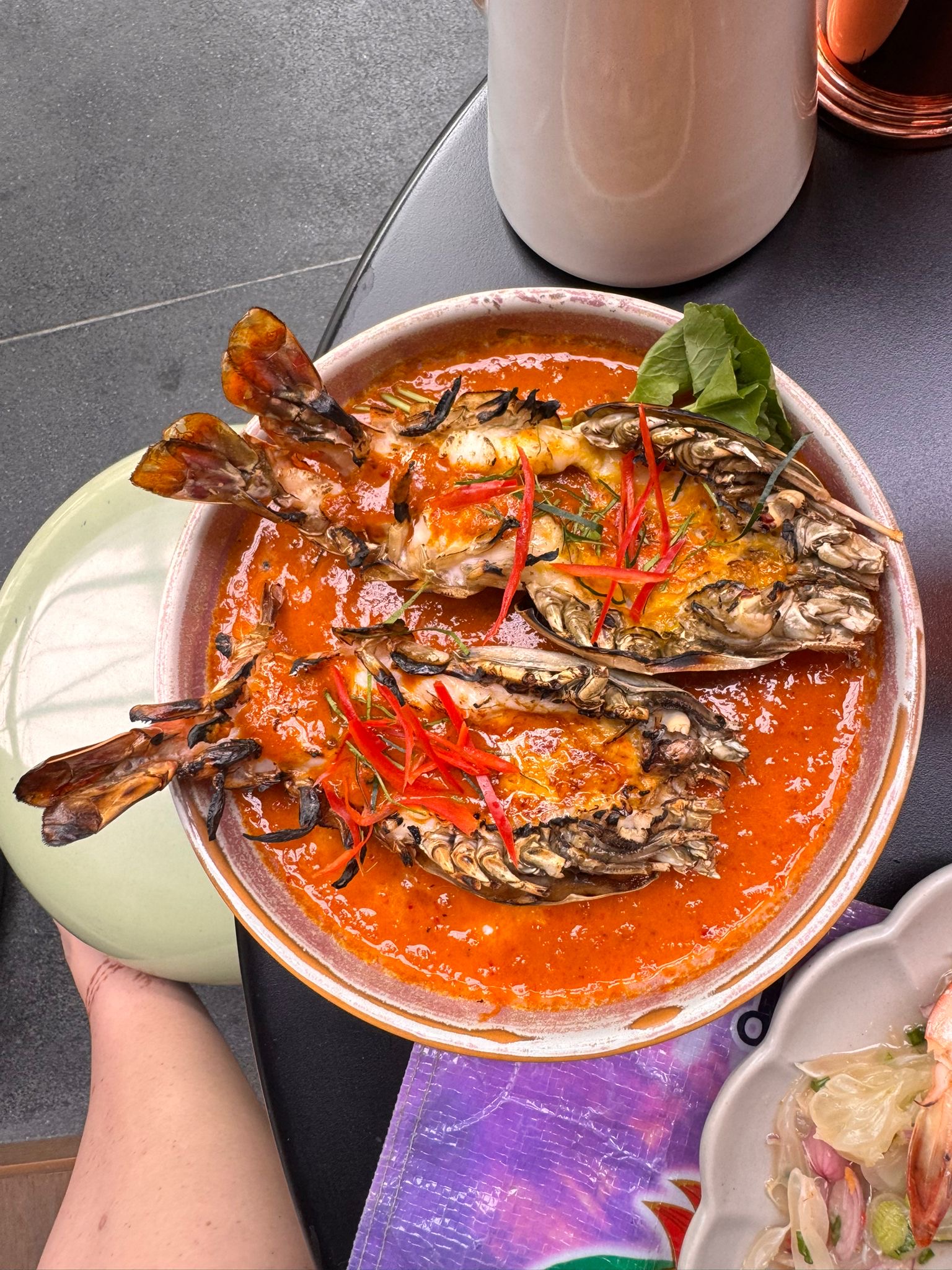
In keeping with the order of colour, this famous curry is red from the red chilies that make up the base of the paste, which is also typically mixed with garlic, lemongrass, cumin, and other spices. The paste is mixed with coconut milk, and similar to green curry, takes on a lighter colour once blended together. You can’t really go wrong with what protein and vegetables you get with this recipe because the flavour is already there from the paste and the coconut milk.
If you’re feeling like cheffing at home, this is likely the easiest option to make since many grocery stores in Toronto have the paste ready made in jars to take home.
The spice is in the mouth of the beholder – use less paste for milder flavour.
Yellow Curry
This is less common in Toronto’s Thai restaurants, but when you see it, get it as it’s a winner. Like its other colourful curry counterparts above, it’s named after the colour which comes from the spices used to make it. It reminds me more of a South Indian curry since the base is made up of tumeric, cumin, coriander, garlic, ginger and cayenne pepper. There are less chilies used in a yellow curry, which means it’s usually less spicy than other Thai curries, which can be super spicy depending on the chillies involved in the cooking process.
Pick your protein of choice, and you can’t go wrong!
Massaman Curry
This curry totally changes gears from the rest – it’s decadent and complex with various textures and flavour involved that can vary with each bite. Although it’s Thai in origin, there’s a marriage of flavour from Persia, the Indian Subcontinent, and the Malay Archipelago. It’s less spicy than the rest, but that doesn’t in any way limit the flavour involved in this dish.
Despite eating it on warm days in Thailand, it reminds me more of a winter curry because of the cinnamon, cloves, and star anise. It’s a heavier sauce that pairs best with meat, not fish or seafood. There are usually peanuts or cashews that enhance its texture, alongside chunks of potatoes that are cooked in.
If the sauce isn’t velvety and rich, then you aren’t eating the right thing. Keep cozy this holiday season with a Massaman Curry from your local Thai place.
Panang Curry
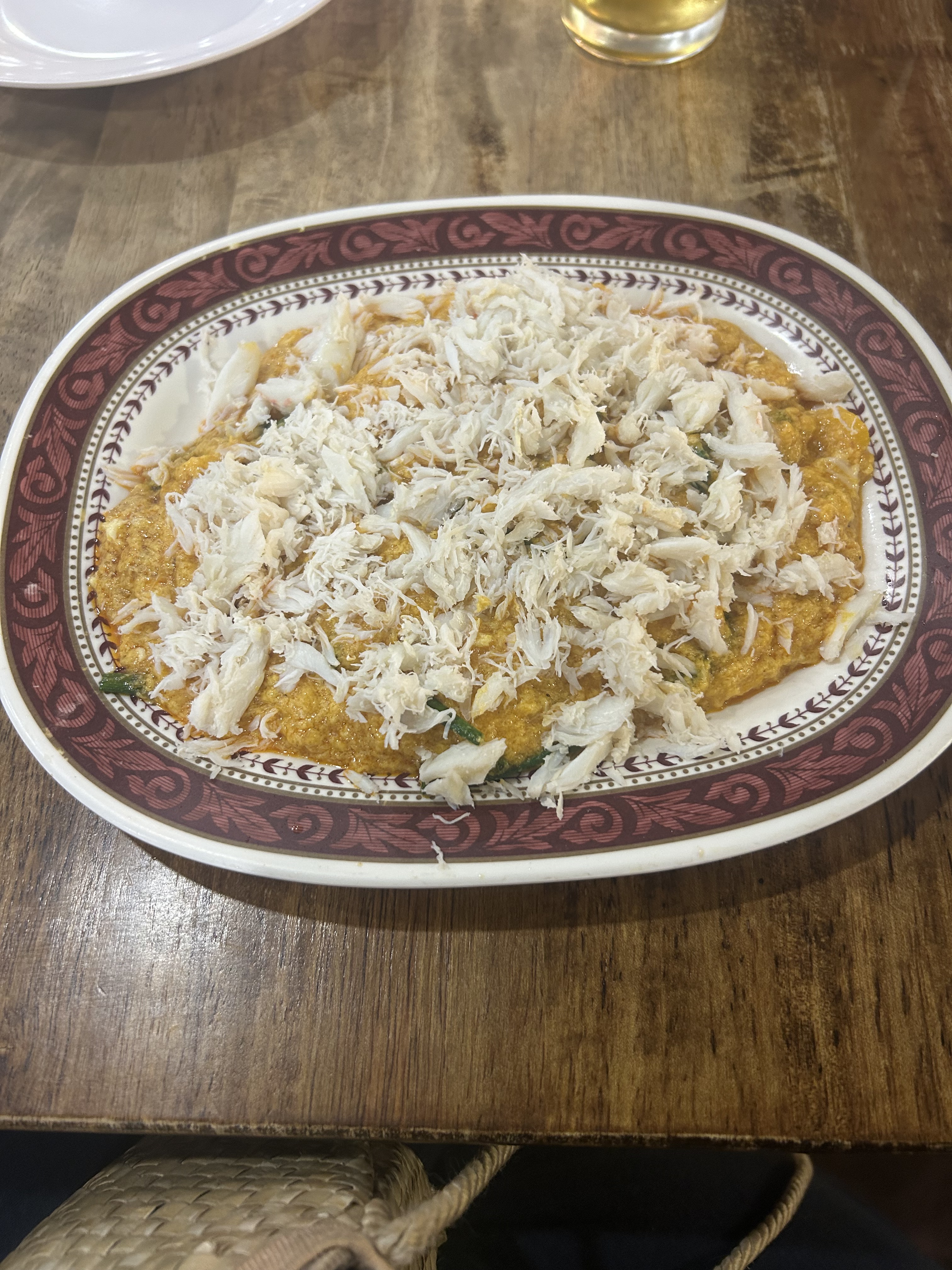
There are several ways to spell the name of this curry, and I’ve chosen the easiest to remember as the origin of the name is unclear but is believed to be named after an island off of Malaysia. This is a variation of a red curry that adopts a sweet and sour personality with a hint of zestiness. The main ingredients are the names of many other Thai curries: coconut milk, lemongrass, fish sauce, and tamarind. However, what makes the Panang curry unique and delicious is the makrut lime zest and shrimp paste..
It’s difficult to go wrong with this dish regardless of the vegetables of protein involved because the broth is fresh, and hopefully saucy so that you can enjoy all of it with a small bowl of rice once the good stuff is devoured.
Banana Blossom Curry
This was a first for me, but likely vegans are familiar with this dish as banana blossom is a terrific plant-based source of protein. It’s a milder curry that you can really taste the physical ingredients instead of the spices. It’s the creamiest of the curries that I tried in Thailand, almost as though it melted in my mouth. This is due to the coconut milk, but also the banana blossom, which takes on more of an artichoke flavour.
It’s available with a red curry paste too, but I enjoyed the simple variation for something different. As far as meat goes, I opted for pork but it’s made to be more vegetarian so pick what feels right for your palate and hunger level.
Khao Soi
This is one of my favoured Northern dishes that blends a soup, a curry and a noodle dish in one, which helps you avoid making a rice order as the noodles fill in excellently. It’s an entire meal in one bowl. The egg noodles are topped with a coconut milk based curry made from spices and chilies and slow-cooked with a protein – usually chicken, beef, or pork, and then topped with crispy noodles to mix it later. Iy watms the soul, and has an effect of making you feel cozy.
This dish is often found on Thai menus in Toronto, but it’s not a guarantee. With the snow still on the ground, I can’t think of a better dish to help you kick off the new year.
I want to point out that these are the curries I experienced over the course on my three week sojourn in Thailand. There are several more regional curries around the country, but they would be less common in Toronto restaurants, so we’ll stick to these for now.
Eat with you soon in Toronto,
Mandrea Bike
(Mat & Andrea).
 Eat the World TO
One thought on “Thailand: The Thai Curry ”